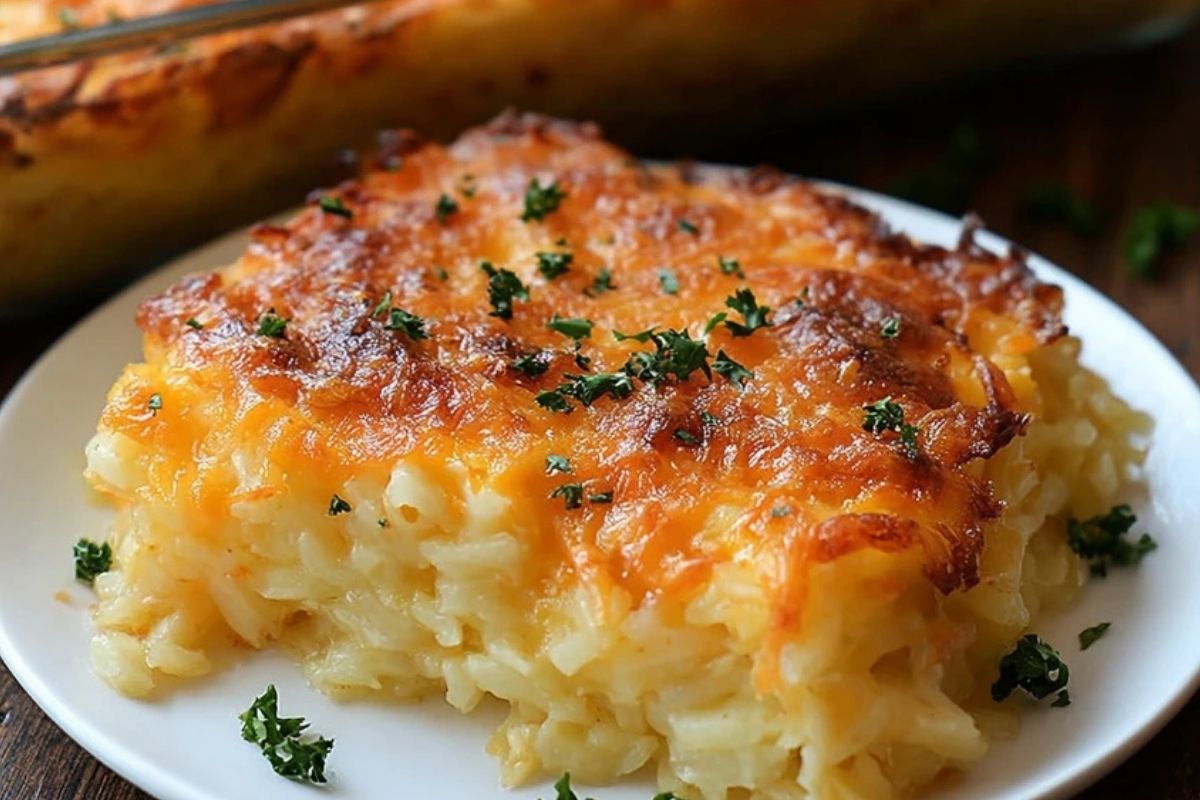
Mastering Hashbrown Casserole: Avoid Runny Dishes with These Tips
There are few dishes that evoke the same sense of warmth, comfort, and pure joy as a perfectly baked, golden, and cheesy hashbrown casserole. It's the quintessential comfort food, gracing tables at holiday feasts, leisurely Sunday brunches, and cozy weeknight dinners alike. A truly great hashbrown casserole offers a delightful symphony of textures: a crispy, golden-brown crust giving way to a creamy, savory, and irresistibly cheesy potato interior. However, many home cooks have experienced the disappointment of a runny, watery casserole that just doesn't hit the mark. Fear not! This comprehensive guide will equip you with the essential tips and tricks to ensure your hashbrown casserole is always a resounding success, banishing runniness forever.
The allure of this dish lies in its simplicity and versatility. It effortlessly transforms humble pantry staples into a show-stopping side or a hearty main course. Whether you're a seasoned chef or a kitchen novice, mastering the art of a non-runny, utterly delicious hashbrown casserole is well within your reach. It’s the kind of recipe that becomes a cherished family tradition, earning requests for seconds and leaving everyone asking for the recipe.
The Culprit Unveiled: Why Hashbrown Casseroles Go Runny
Before we dive into the solutions, it's crucial to understand the primary reason behind a runny hashbrown casserole: excess moisture. Potatoes, especially frozen ones, are packed with water. If this moisture isn't properly managed, it will release during baking, diluting your creamy sauce and turning your intended culinary masterpiece into a soupy disappointment. Think of it like a sponge releasing water into your carefully crafted sauce – it throws off the entire balance.
Beyond the hashbrowns themselves, other factors can contribute:
- Insufficient Baking Time: Not allowing enough time in the oven means liquids don't have a chance to properly evaporate and the starches from the potatoes don't fully thicken the sauce.
- Improper Ingredient Ratios: While less common, too much liquid (like broth) or not enough binding ingredients can also lead to a looser consistency.
- Using Low-Fat Dairy: Lighter versions of sour cream or soup often contain more water, which can subtly contribute to a runnier end product.
The Secret Weapon: Essential Ingredients & Preparation for Perfection
Achieving a perfectly creamy, never-runny hashbrown casserole starts with thoughtful ingredient selection and meticulous preparation. Each component plays a vital role:
1. Frozen Shredded Hash Browns: The Moisture Masterclass
This is arguably the most critical step in preventing a runny casserole. Do not skip or rush this!
- Thaw Completely: Remove your bag of frozen shredded hash browns from the freezer and allow them to thaw fully in the refrigerator, ideally overnight. If you're short on time, you can thaw them at room temperature for a few hours, or even gently in the microwave using a defrost setting. The goal is to melt all ice crystals.
- Drain and Dry, Dry, Dry: Once thawed, the hash browns will be surprisingly wet. Transfer them to a colander and press down to squeeze out initial excess water. Then, spread them out in a single layer on several sheets of paper towels or a clean kitchen towel. Top with more paper towels or another towel and press firmly to absorb as much moisture as possible. Repeat this process until the towels no longer become saturated. You'll be amazed at how much liquid comes out! This step removes surface water and some of the starch, ensuring a crispier potato and a thicker, more integrated sauce.
2. Condensed Cream of Soup: The Creamy Foundation
Condensed cream of chicken or cream of mushroom soup provides the essential creamy base and thickening power for most hashbrown casserole recipes.
- Standard Choice: Condensed cream of chicken soup is a classic for a reason, offering a savory, well-balanced flavor.
- Flavor Variation: For a slightly tangy, cheesier profile, consider condensed cream of cheddar soup.
- Homemade Alternative: If you prefer to avoid canned soups, you can make a simple homemade cream of "X" soup using a roux (butter and flour cooked together), broth, and milk. Ensure your homemade version is adequately thickened to prevent adding too much liquid to the casserole.
3. Sour Cream: The Richness Factor
Sour cream is indispensable for both the luxurious creamy texture and the rich, tangy flavor it imparts.
- Full-Fat is Best: For optimal creaminess and body, always opt for full-fat sour cream. Its higher fat content contributes to a superior mouthfeel and helps emulsify the sauce, preventing separation.
- Avoid Watery Alternatives: While lighter sour cream alternatives can be used, be aware that they often contain more water and less fat, which can slightly alter the texture and richness, potentially contributing to a less robust, creamier outcome.
4. Cheese: The Melty Magic
What's a hashbrown casserole without abundant, gooey cheese?
- Freshly Grated for Superior Melt: While pre-shredded cheese is convenient, freshly grating your cheese is always recommended. Pre-shredded varieties often contain anti-caking agents (like cellulose) that can prevent smooth melting and sometimes give a slightly gritty texture. Freshly grated cheese melts beautifully, contributing to a truly creamy sauce.
- Choose Your Cheese: Sharp cheddar, Monterey Jack, Colby, or a blend of your favorites work wonderfully.
Beyond the Basics: Flavor Elevators and Customization
Once you've mastered the fundamentals of preventing runniness, you can elevate your hashbrown casserole with these simple yet impactful additions:
Sautéed Onions: The Game-Changer
This step, often overlooked, is a true "secret weapon" for transforming your casserole from good to extraordinary.
- Finely Diced: Dice a medium onion very finely. This ensures it blends seamlessly into the casserole without creating large, crunchy bites of raw onion.
- Caramelization is Key: Before mixing the onion into the hashbrown mixture, take the time to sauté it in a little butter or oil until it's softened and lightly caramelized. This process brings out the onion's natural sweetness, developing a deeper, richer, and more complex savory flavor profile. It eliminates any harsh, raw onion bite and adds an incredible depth that will have everyone wondering what your secret ingredient is. For a deep dive into this technique, check out our article: Unlock the Best Cheesy Hashbrown Casserole: Sautéed Onion Secret.
Seasoning & Add-Ins
- Basic Seasoning: Don't forget salt, black pepper, garlic powder, and a touch of onion powder. Taste your mixture before baking and adjust as needed.
- Protein Boost: Enhance your casserole with cooked, diced ham, crumbled bacon, or browned sausage for a heartier meal.
- Vegetable Variations: Diced green chilies, bell peppers (sautéed with the onion), or a touch of chopped fresh chives can add extra flavor and color.
Baking, Resting, and Serving Your Perfect Casserole
Even with all the careful preparation, proper baking and resting are crucial for the final texture:
- Preheat Thoroughly: Always preheat your oven completely to the specified temperature (typically around 350-375°F / 175-190°C).
- Bake Until Golden and Bubbly: Bake your casserole until the top is beautifully golden brown, the edges are bubbly, and the interior is heated through and set. This usually takes 45-60 minutes, depending on the size of your dish. If the top browns too quickly, you can loosely tent it with foil.
- The Critical Rest: This step is often overlooked but is absolutely essential. Once out of the oven, allow your hashbrown casserole to rest for at least 10-15 minutes before serving. During this time, the casserole continues to cook slightly, the liquids redistribute, and the starches set, resulting in a firm, sliceable, and perfectly creamy consistency. Cutting into it too soon will result in a looser, seemingly "runnier" casserole.
Your perfectly set hashbrown casserole is ready to be the star of any meal! Serve it alongside a holiday ham, as a comforting brunch centerpiece, or pair it with a crisp green salad for an easy weeknight dinner. Its versatility knows no bounds. Discover more ways to enjoy this classic by reading: Hashbrown Casserole: Your Go-To Comfort Dish for Any Occasion.
Conclusion
Achieving the ideal hashbrown casserole—creamy, cheesy, with a crispy top and never runny—is entirely attainable with these expert tips. The key takeaway? Meticulous moisture removal from your hash browns is paramount. Combine that with quality ingredients, the flavor-enhancing magic of sautéed onions, and proper baking and resting, and you'll consistently create a dish that delights. Say goodbye to runny disappointments and hello to the ultimate comforting, crowd-pleasing hashbrown casserole, every single time.
